Investing Off Shore: Key Factors to Research in 2025
Recognizing the Importance of Investing Off Coast for Wealth Diversification
Offshore investing plays a considerable duty in riches diversification. It allows people to touch right into a wider variety of global markets and financial investment chances - Investing Off Shore. This strategy can successfully alleviate dangers connected to residential financial uncertainties. Additionally, overseas financial investments may offer regulatory and tax benefits. Numerous remain unaware of the intricacies and subtleties involved. Recognizing these components is crucial for any individual considering this method for their financial future. What aspects should one consider before starting?
The Idea of Offshore Investing
Offshore investing refers to the method of placing assets in financial markets outside one's home country, usually to accomplish greater economic protection and diversity. This strategy enables companies and individuals to gain access to numerous international markets, potentially taking advantage of different economic environments, currency worths, and investment chances. Financiers may pick offshore accounts for factors such as regulative advantages, tax obligation benefits, or personal privacy protection.The principle incorporates a variety of financial investment cars, consisting of supplies, bonds, realty, and shared funds, available with international economic organizations. Additionally, overseas investing can help mitigate risks connected with domestic market fluctuations. By spreading investments worldwide, people can possibly protect their riches against political or economic instability within their home country. On the whole, offshore investing acts as a strategic approach to boost financial profiles, providing access to a broader array of properties and opportunities beyond neighborhood markets.
Advantages of Expanding Your Investment Portfolio

Risk Reduction Techniques
Just how can financiers efficiently handle threat while making best use of returns? One essential approach is property allowance, which involves distributing financial investments across numerous asset courses to reduce direct exposure to any kind of single danger. Capitalists can expand geographically by consisting of overseas possessions, which commonly behave in a different way than domestic financial investments, thereby reducing general portfolio volatility. Furthermore, incorporating alternative financial investments, such as real estate or products, can give additional threat reduction. Regularly rebalancing the portfolio ensures that property allocations remain aligned with risk tolerance and financial investment objectives. Understanding market fads and economic signs can assist financiers prepare for changes and readjust their portfolios appropriately. Ultimately, a well-structured investment approach stresses diversification, intending to balance possible returns with appropriate degrees of risk.
Money Diversification Benefits
Capitalists who incorporate currency diversity right into their portfolios can boost their possibility for returns while minimizing direct exposure to local economic variations. By holding properties in several currencies, they can profit from beneficial exchange rate motions and reduce losses from currency devaluation in their home market. This technique not just spreads danger yet likewise opens opportunities for investment in arising markets, which may provide greater development possibility. In addition, money diversity can act as a bush versus rising cost of living and political instability, giving a buffer during economic slumps. In general, this approach promotes a much more resistant investment profile, allowing investors to browse global markets with better flexibility and confidence, eventually bring about enhanced long-lasting economic security.
Decreasing Risk With Geographical Diversification
Geographical diversification supplies significant advantages by spreading out financial investments across various regions and markets. This approach assists reduce risks related to financial instability, as downturns in one location might be offset by development in one more. Additionally, buying emerging markets can give one-of-a-kind opportunities for higher returns and better boost profile resilience.
Benefits of Geographic Diversification
Why should one take into consideration geographical diversification as an approach for threat reduction? Geographical diversification enables financiers to spread their properties throughout various countries and areas, alleviating the influence of localized economic slumps. By spending in several markets, one can gain from various growth cycles, money activities, and market characteristics. This technique decreases dependence on a solitary economy, which can be vulnerable to political instability or natural disasters. Additionally, geographic diversity can enhance portfolio performance by taking advantage of arising markets with high development capacity. It gives a barrier against inflation rates that might differ by region, making sure that the total worth of financial investments continues to be steady. Eventually, geographical diversity is a prudent approach for securing riches against uncertain worldwide events.
Minimizing Financial Instability Threats

Economic instability can position considerable dangers to investment profiles, making it vital to adopt approaches that minimize these threats. One effective approach is geographic diversification, which includes spreading investments throughout numerous regions and countries. By allocating possessions in different economic environments, financiers can minimize their exposure to local economic downturns. For example, if one country encounters a recession, investments in other areas may stay stable or perhaps flourish, providing a buffer against prospective losses. Additionally, spending in several currencies can additionally secure versus money changes and inflation dangers. In general, reducing financial from this source instability risks with geographical diversity not only enhances resilience however also positions investors to take chances in various markets, ultimately fostering long-term financial safety and security.
Purchasing Emerging Markets
Buying emerging markets offers a tactical opportunity for decreasing risk with geographical diversity. These markets, often defined by rapid development and evolving financial landscapes, can supply unique possibilities that are less associated with developed markets. By allocating sources to countries with burgeoning sectors and broadening customer bases, investors can reduce the impact of localized financial recessions. Furthermore, arising markets might show greater development possibility, making it possible for financiers to profit from favorable group patterns and raising international need. It is important to acknowledge the intrinsic dangers, why not find out more consisting of political instability and currency variations. A well-researched and well balanced approach permits financiers to harness the advantages of arising markets while efficiently taking care of potential disadvantages, inevitably enhancing their total profile durability
Accessing Emerging Markets and Opportunities
As international markets evolve, accessing arising markets offers an engaging opportunity for wide range diversity. These markets frequently reveal rapid growth potential, driven by boosting consumer demand and technological advancements. Financiers can touch right into fields such as innovation, sustainable energy, and infrastructure, which are essential in driving financial expansion in these regions.Strategically investing in emerging markets allows capitalists to exploit on favorable demographics and climbing middle-class populaces. This develops special opportunities for businesses to grow and, consequently, for investors to gain from considerable returns. In addition, arising markets frequently show reduced relationships with industrialized markets, supplying a buffer versus volatility.To efficiently gain access to these opportunities, financiers can utilize different lorries, including exchange-traded funds (ETFs), mutual funds, and straight equity investments. By expanding their portfolios with emerging markets, financiers can enhance their general risk-adjusted returns while placing themselves advantageously in a regularly altering global landscape.
Money Protection and Hedging Methods
Legal Factors To Consider and Compliance in Offshore Spending
Steering via the intricacies of offshore investing needs an eager understanding of the legal landscape and conformity requirements that differ by territory. Financiers need to thoroughly recognize laws concerning foreign investments, taxes, and reporting commitments to guarantee conformity with both global and local laws. Numerous countries have details regulations controling the facility of offshore accounts and entities, which can consist of strict Know Your Customer (KYC) and Anti-Money Laundering (AML) regulations.Furthermore, financiers need to beware concerning prospective lawful mistakes, consisting of tax evasion or inadvertent offenses of safeties legislations. Involving with reputable financial advisors or lawful experts accustomed to overseas laws is vital to browse these complexities. Furthermore, staying educated regarding adjustments in laws and legislations is crucial, as non-compliance can result in extreme charges. Ultimately, a detailed understanding of legal considerations assurances that offshore financial investments contribute positively to wide range diversification without sustaining lawful effects.
Actions to Get Going With Offshore Investments
Many financiers looking for to expand their wealth might discover the procedure of starting offshore investments both tough and gratifying. The first action includes complete research to identify ideal overseas territories that align with financial investment goals and supply beneficial guidelines. Following this, investors ought to choose a respectable banks or financial investment firm experienced in offshore financial investments. Opening up an offshore account is critical, demanding the submission of personal recognition and compliance documents.Next, capitalists should assess numerous financial investment alternatives, such as genuine estate, shared funds, or supplies, ensuring they straighten with risk tolerance and monetary purposes. Consulting with legal specialists or economic experts can provide valuable insights right into i was reading this the complexities of offshore financial investments. Routine tracking and re-evaluation of the investment portfolio are crucial to adjust to market modifications and assure peak performance. By following these steps, financiers can efficiently navigate the overseas financial investment landscape.
Frequently Asked Questions
What Sorts Of Possessions Can I Purchase Offshore?
The existing question explores various overseas investment alternatives. People can think about assets such as real estate, common funds, stocks, bonds, valuable metals, and cryptocurrencies, each offering unique advantages depending upon personal economic goals and run the risk of tolerance.
Are There Minimum Financial Investment Amounts for Offshore Accounts?
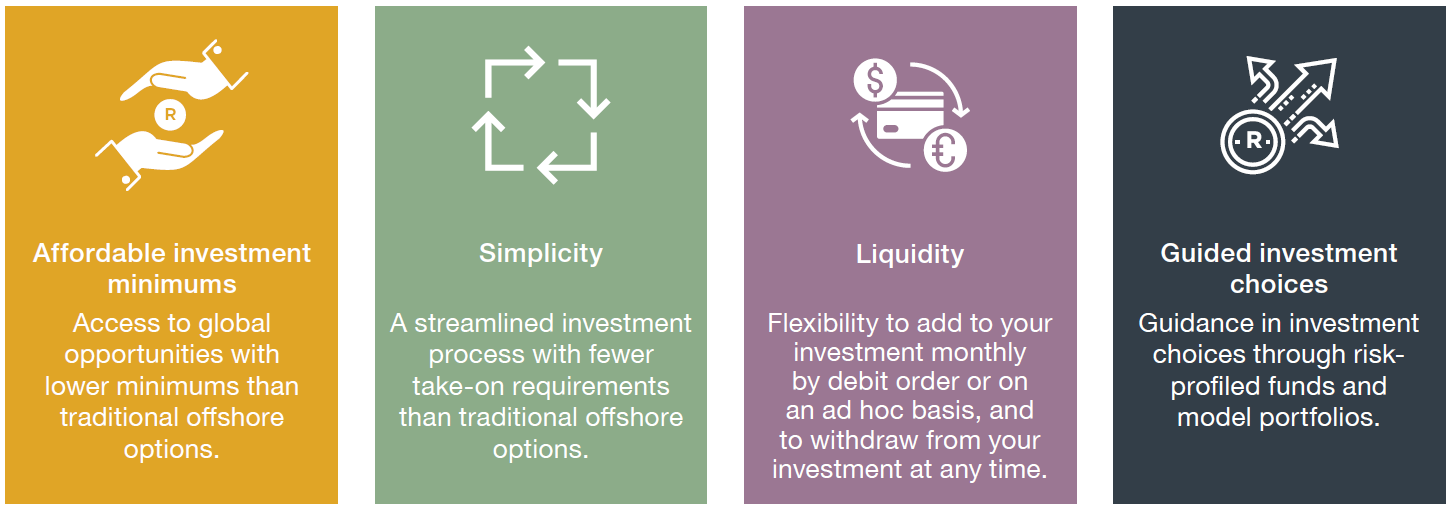
Minimum financial investment quantities for offshore accounts differ considerably relying on the institution and sort of account. Some require as little as a couple of thousand bucks, while others might state higher limits for premium services and investment opportunities.
Exactly How Do Taxes Deal With Offshore Investments?
Tax obligations on overseas financial investments vary by territory and the financier's home country. Typically, revenue created might go through taxation domestically, while some countries might use tax motivations or exemptions for sure overseas accounts.
Can I Manage Offshore Investments Remotely?
Managing offshore investments remotely is without a doubt feasible. Numerous banks supply on-line platforms, making it possible for capitalists to keep an eye on and negotiate effortlessly from anywhere, given they abide with regulatory needs and understand the involved risks and fees.
What Are Typical Misconceptions Regarding Offshore Investing?
Typical false impressions about overseas investing consist of the idea that it is solely for the affluent, naturally unlawful, or excessively complicated. Actually, it can be obtainable, lawful, and convenient for various capitalists looking for diversity. By spreading out investments across various property courses and geographical areas, investors can secure themselves versus market volatility and money fluctuations. Geographic diversification supplies significant benefits by spreading financial investments throughout different regions and markets. Furthermore, arising markets frequently show reduced relationships with developed markets, using a barrier versus volatility.To efficiently gain access to these possibilities, capitalists can make use of different cars, including exchange-traded funds (ETFs), mutual funds, and direct equity financial investments. Following this, capitalists ought to choose a reliable monetary institution or financial investment firm experienced in overseas financial investments. Routine surveillance and re-evaluation of the financial investment portfolio are important to adapt to market modifications and assure peak efficiency.